
Our take on the Beltline: Bigger isn’t better
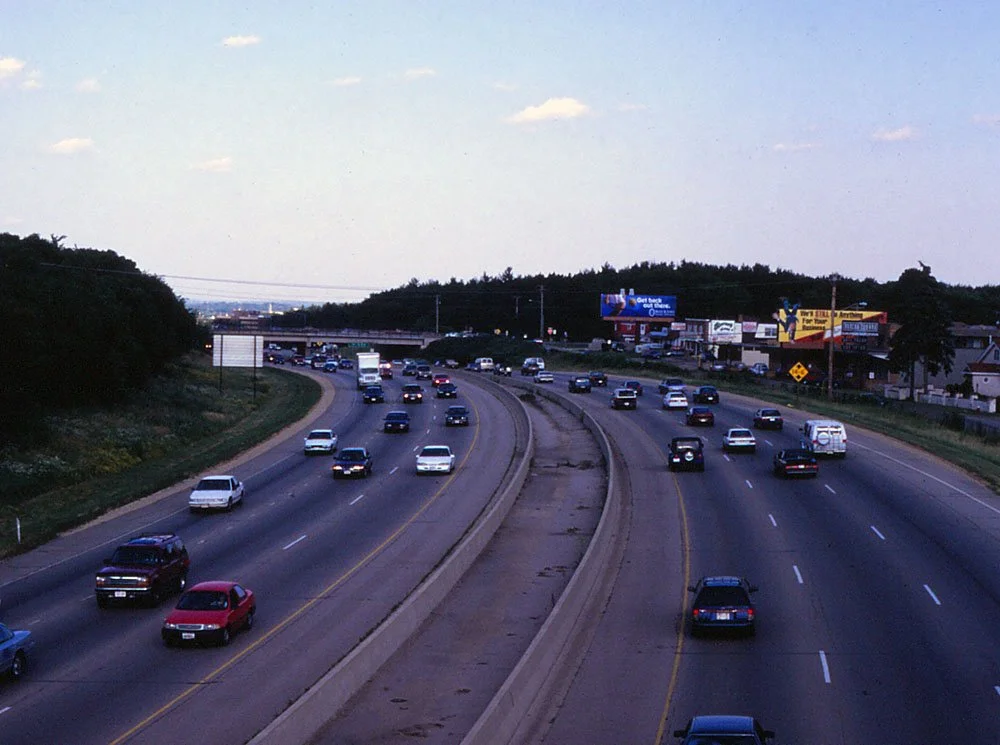
DART recently shared a comment with the Wisconsin Department of Transportation regarding the Madison Beltline Planning and Environmental Linkages (PEL) study that is now drawing to a close. Here is what we wrote:
DART appreciates the work and analysis that have gone into the Beltline PEL study and supports efforts to address one of the Beltline’s biggest issues, namely the barriers and disruption it creates to mobility across the Beltline corridor. However, we oppose adding general purpose lanes, expanding interchanges, or otherwise increasing the capacity of the Beltline in ways that enlarge its footprint.
Even were we convinced such measures would reduce Beltline congestion, their social and environmental costs, to say nothing of costs to taxpayers, would outweigh their minimal and temporary benefits. If anything, the more likely outcome will be to attract more and faster traffic to the Beltline, thereby worsening the problems expansion purports to solve.
WisDOT clearly wants to portray expansion as an inevitable response to inevitable traffic pressure. But information from the study process suggests much of this pressure may be from drivers using the Beltline for local trips to which it is not well suited, and doing so in part because of travel and development patterns the Beltline itself, and its continued expansion at the expense of alternatives, has encouraged.
Meanwhile the study’s own examination of alternatives seems perfunctory, confined mostly to winnowing out limited transit proposals and projects designed mainly for other local purposes. Missing is any serious look at what a robust regional and multi-modal “all of the above” strategy, aimed deliberately at forestalling further Beltline expansion—and, crucially, funded at a comparable level—would look like.
The result is a process that seems guaranteed to, yet again, leave Beltline drivers stuck in traffic and the rest of us stuck without better mobility options. Rather than doubling down on the failed approach that has brought us to this point, WisDOT should be supporting local and regional efforts to provide alternative routes and modes, encourage their use, and reduce regional vehicle miles traveled overall—efforts that further expanding the Beltline will merely undermine.